
There are works of art that go far beyond aesthetic decoration. They act as mirrors, capturing the subtle geometry of our daily lives—our pauses, our quiet ambitions, our posture in crowded rooms, and the unscripted encounters that reshape our trajectories.
Narratives on Canvas is an editorial series on antoniounfolded.it dedicated to exploring the intersection between figurative art, human atmosphere, and personal philosophy.
Across three distinct chapters and a final synthesis, we examine three 20th-century masters who captured the essence of modern presence: Jack Vettriano, Tamara de Lempicka, and Edward Hopper.
“Vettriano paints the romantic pause; Lempicka paints the unyielding drive;
Hopper paints the observational quiet. Together, they complete the spectrum of modern posture.”
The Core Trilogy
Each article in this series pairs a deep dive into an artist’s visual language with personal, unscripted real-world encounters:
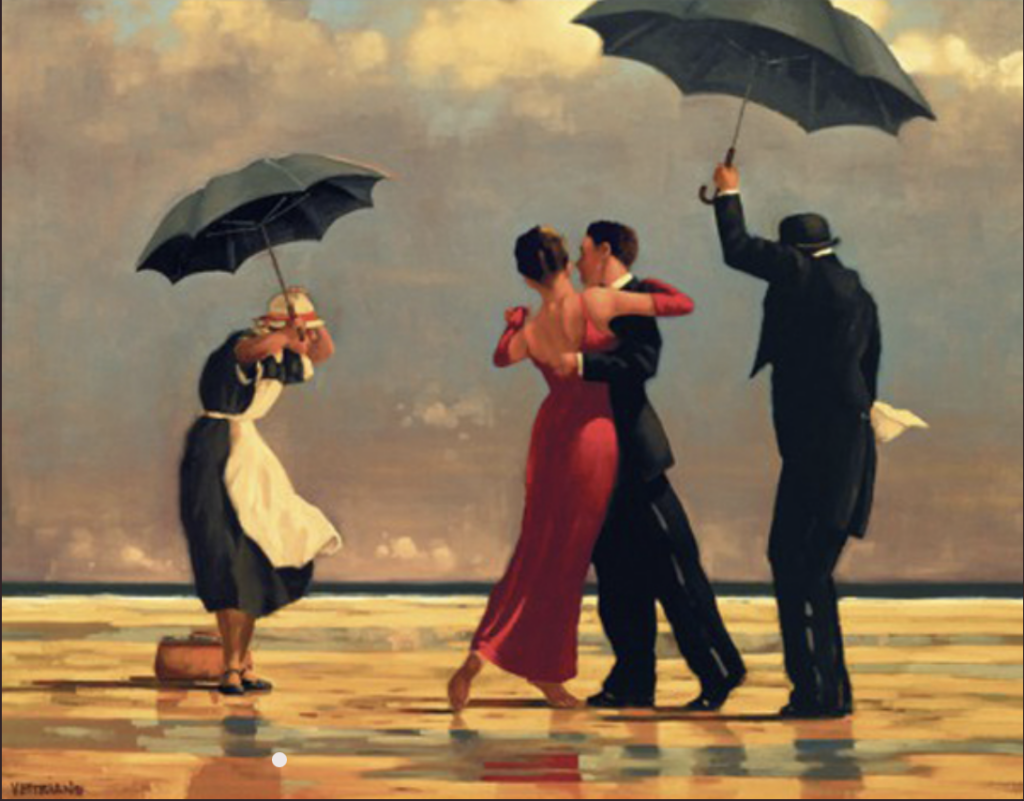
1. Jack Vettriano: The Elegance of Suspended Time
- The Visual World: Cinematic shadows, tailored sophistication, dim lounge bars, and wind-swept coastlines.
- The Core Theme: The rituals of slow elegance, the dignity of posture, and freezing the exact moment where anticipation is at its peak.
- The Personal Spark: A chance conversation in front of The Singing Butler at a London exhibition—commenting on the masterpiece directly alongside Jack Vettriano before knowing his identity.
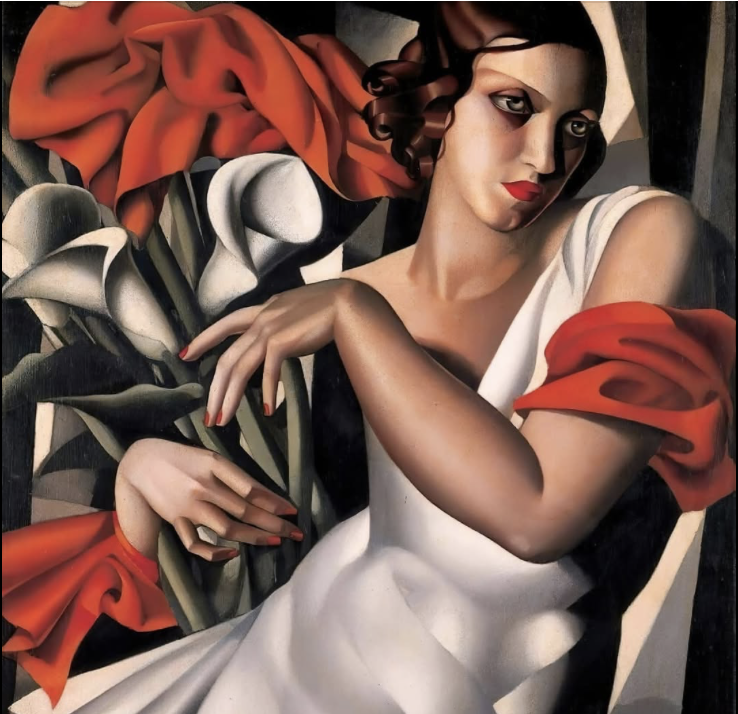
2. Tamara de Lempicka: The Architecture of Desire and Power
- The Visual World: Art Déco precision, Cubist geometry, burnished metallic surfaces, and high-speed machinery.
- The Core Theme: Uncompromising authority, structural clarity, and the bold assertion of individual independence.
- The Personal Spark: Discovering her work framed within dark, cinematic Gotham-like aesthetics, sparking a journey through multiple gallery exhibitions across Europe.
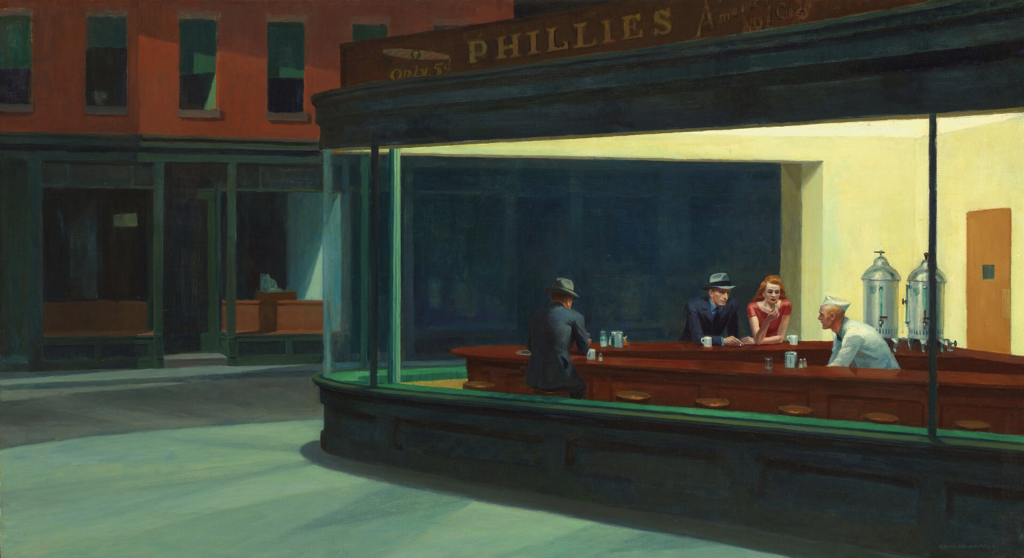
3. Edward HopperThe Geometry of Silence and Unscripted Connections
- The Visual World: Architectural sunlight, transparent window panes, diner counters, and quiet urban sanctuaries.
- The Core Theme: The fertile quiet of observation, cognitive space in a noisy world, and openness to unexpected human bridges.
- The Personal Spark: Sitting at a Chicago diner counter over morning coffee, leading to an invitation to a Hopper exhibition and, ultimately, to delivering lectures at New York University (NYU).
The Philosophy: Designing Your Atmosphere
Whether navigating high-stakes business environments, stepping onto a podium, or enjoying a quiet Islay whisky at the end of a journey, Narratives on Canvas serves as a reminder that style and leadership are rooted in intentionality.
We do not merely inhabit rooms or cities; we curate their atmosphere through our posture, our silence, and our respect for the long game.
Pingback: Edward Hopper: The Geometry of Silence & Unscripted Connections
Pingback: Tamara de Lempicka: The Architecture of Desire and Power
Pingback: Jack Vettriano: The Elegance of Suspended Time