
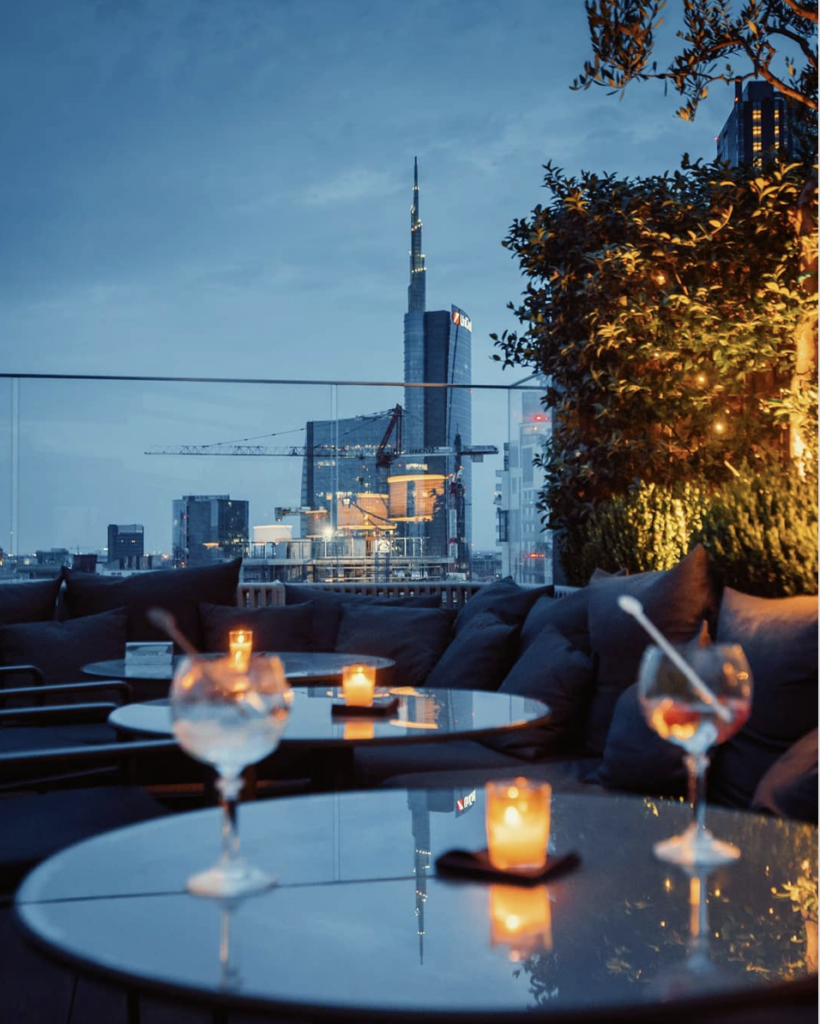
In Italian culture, the aperitivo is rarely just about what is inside the glass. It is a spatial, social, and sensory boundary—a daily transition line where the demands of work yield to the art of conversation, presence, and intentional living.
“The Italian aperitivo is not a trend;
it is a time-bound invitation to pause, reset, and celebrate the geometry of the table.”
The Origins: From Medical Tonic to Social Ritual
The word aperitivo originates from the Latin aperire, meaning “to open.” Historically conceived as a bitter botanical infusion designed to stimulate the appetite before a meal, the gesture evolved dramatically throughout the 19th and 20th centuries across northern Italy.
From the historic cafés of Turin and Milan to the quiet bàcari of Venice, the ritual transformed from a simple digestive pre-condition into a core pillar of Italian hospitality.
The Core Pillars of the Aperitivo Experience
A true Italian aperitivo rests on three fundamental principles:
- The Bittersweet Balance: The interplay between botanical bitterness, citrus notes, and gentle sweetness designed to refresh the palate rather than overwhelm it.
- The Element of Salinity: The non-negotiable presence of small savory bites—from simple olives and nuts to traditional Venetian cicchetti—that complement the acidity and effervescence of the drink.
- The Social Space: A shared environment that encourages unhurried dialogue, making the choice of setting as vital as the choice of spirit.
Exploring the Aperitivo Spectrum: Deep-Dive Clusters
To fully understand the diversity of Italian drinking culture, we must explore its distinct expressions—from historic lagoon traditions to refined winemaking and late-night contemplative spirits.
1. The Venetian Heritage & Global Journey
Nothing defines the regional aperitivo more than the Spritz. Born from 19th-century Austrian influences and perfected in 1920s Venice with Select, the drink represents an artful balance of bitterness, effervescence, and essential salinity.
Deep-Dive Cluster Article:
Read the full story on how a Venetian classic traveled from the lagoon to Central Asia:
The Authentic Venetian Spritz: Select, History & The Almaty Legacy
2. The Elegance of Sparkling Terroir
For those who prefer the sophistication of wine over bitter spirits, sparkling rosé offers an extraordinary alternative. Crafted through precise skin maceration, options like the local Fortana Frizzante from the Ferrarese sands or the prestigious Franciacorta Rosé bring structure, fine perlage, and spatial design synergy to the aperitivo hour.
Deep-Dive Cluster Article:
Explore the craftsmanship of blush winemaking and architectural pairings:
The Art of the Blush: Precision, Terroir, and Sparkling Rosé
3. The Transition to Late-Night Deceleration
As the aperitivo hour draws to a close and the evening deepens, the social momentum shifts toward solitary reflection. Moving from effervescent drinks to a single malt whisky marks the ultimate boundary line of the day.
Deep-Dive Cluster Article:
Discover the ritual of slow drinking, Islay malts, and quiet closing moments:
The Solitary Axis: Whisky, Time, and the Architecture of Closure
The Modern Philosophy of the Table
Whether sipping a Select Spritz at a crowded counter, opening a bottle of sparkling rosé, or ending the night with a peated malt, the Italian aperitivo remains a masterclass in living intentionally. It reminds us that time is not merely something to manage—it is something to taste.