
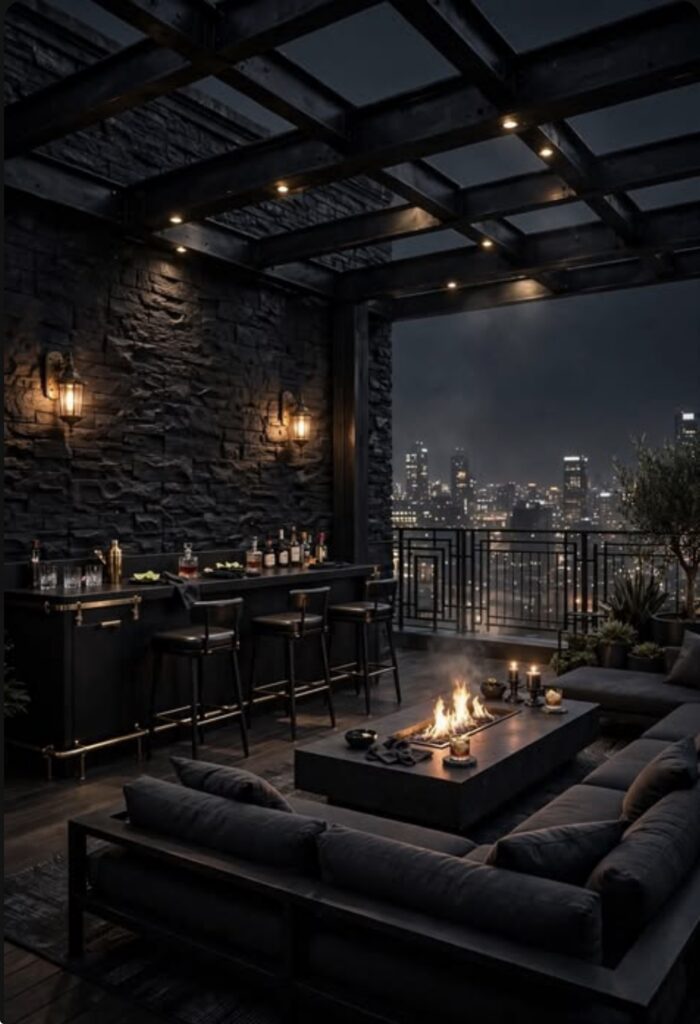
There is a moment at the end of a demanding day when the noise of the world must be intentionally shut out. Whisky is not a drink for celebration or speed; it is an instrument of deceleration, quiet contemplation, and personal grounding.
“A great whisky does not ask for attention through loudness;
it requires you to lower the noise of the day to discover its depth.”
The Craft: Distillation, Styles, and Geography
At its core, whisky is the art of grain distillation matured over years in oak casks. Understanding its landscape requires navigating a few essential distinctions:
- Whisky vs. Whiskey: The spelling reflects origin. Whisky (without the “e”) belongs to Scotland, Canada, and Japan, while Whiskey (with the “e”) defines Irish and American traditions.
- Single Malt vs. Blended: A Single Malt is crafted entirely from 100% malted barley within a single distillery, showcasing raw terroir and house style. A Blended Whisky skillfully combines multiple malt and grain whiskies from different distilleries to achieve harmony and consistency.
- Rye: Predominantly American, crafted with a minimum of 51% rye grain, delivering a spicier, bolder, and drier profile than corn-heavy Bourbon.
The Physics of the Pour: How to Taste
Respecting the spirit requires a precise geometry:
- The Glass & Portion: Forget thick, heavy tumblers. The ideal vessel is a tulip-shaped glass (such as a Glencairn), which concentrates the delicate aromas toward the nose. A standard pour should never exceed 3 to 4 cl.
- Water vs. Ice: Ice is the enemy of fine whisky—it numbs the vocal cords of the spirit and locks in flavor. Instead, add a few drops of still, room-temperature mineral water (low in mineral content). Water lowers the alcohol bite and unlocks complex aromatic esters.
- The Perceived “Digestive” Ritual: While high alcohol technically slows gastric motility, the ritual of the post-dinner pour operates on a psychological level: it relaxes the nervous system, slows down breathing, and acts as the ultimate sensory finale to a great meal.
Islay: My Personal Benchmark
My heart belongs to the windswept, peated island of Islay. The maritime air, sea salt, and ancient peat bogs imbue the spirit with an unmistakable smoky complexity. Among them, Caol Ila—specifically the rare 25 or 50-year-old expressions—represents the absolute pinnacle: structured, elegant smoke balanced by soft medicinal notes and decades of oak integration.
The Personal Ritual: Hermetic Solitude
My personal way of enjoying it is a boundary drawn against the chaos of the day.
It happens late in the evening. A quiet room, dim lights, soft jazz playing in the background, and a state of near-hermetic solitude. It is an act of inner realignment. Occasionally, that circle opens to a select few—very few—thoughtful companions, perhaps paired with the slow, deliberate draw of an El Septimo cigar.
The Origin: A Peace Treaty at 140 Floors High
My relationship with whisky began thousands of miles from home. Years ago, after an exhausting day of intense, almost brutal professional negotiations in Asia, a colleague invited me to the top of a skyscraper over 140 floors high.
After hours of confrontation, we sat in silence overlooking the glowing metropolis below, “making peace” over a glass of single malt and a cigar. In that moment, suspended above the clouds, I realized what whisky truly was: not just a spirit, but a universal bridge of respect, clarity, and quiet mastery.
To explore how Whisky fits into the broader heritage of Italian drinking culture, read our complete guide to Italian Spirits & Aperitivo Culture