
In our previous discussion on managing deceit, we explored a fundamental principle: dealing with dishonesty isn’t about emotional confrontation—it is about structural alignment, observation, and self-mastery.
However, one major question remains for leaders, managers, and professionals: How do we accurately assess credibility before inconsistency disrupts a project, a negotiation, or a team dynamic?
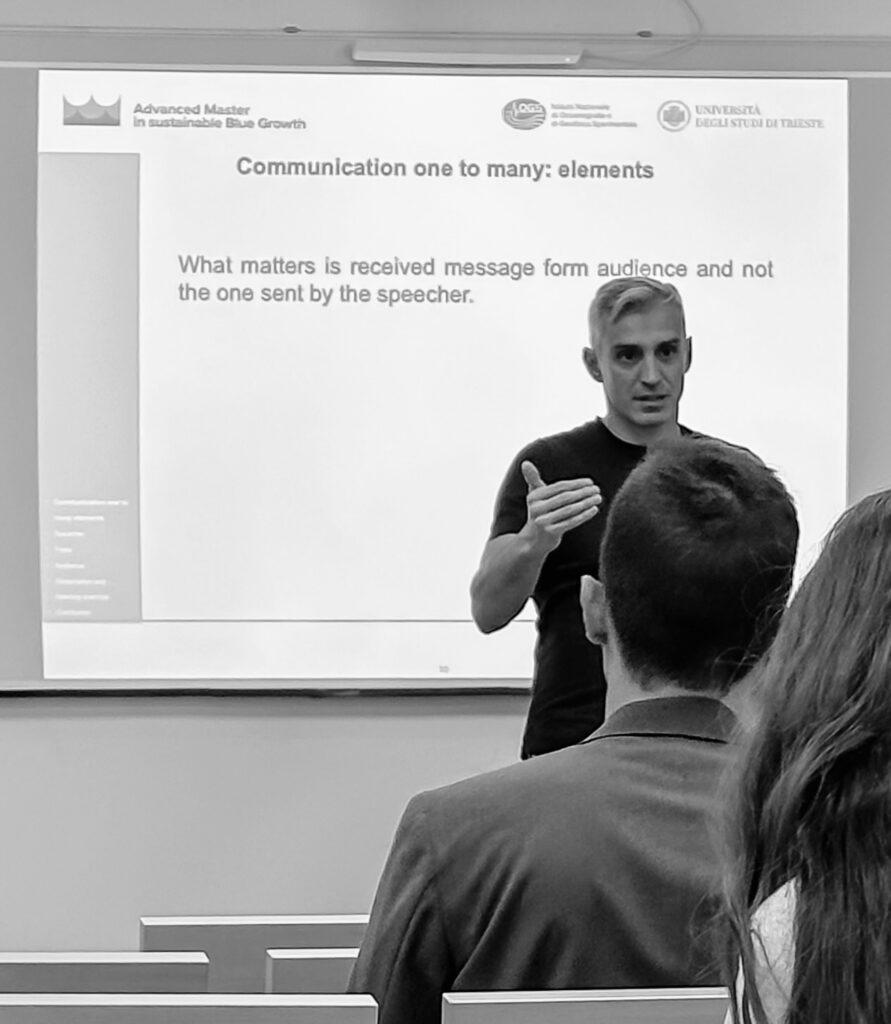
To bridge this gap, I have designed a specialized, highly interactive training program focused entirely on evaluating the credibility and sincerity of our interlocutors.
Beyond the Myths: What Sincerity Really Looks Like
Popular culture has filled our minds with overly simplified body language tropes—crossed arms mean defensiveness, looking away means lying, and a firm handshake guarantees trust. In reality, human psychology is far more nuanced.
This training program moves past these superficial myths to ground professionals in evidence-based behavioral analysis. Credibility assessment is not about playing detective or accusing others; it is about learning to read baseline behaviors, identifying subtle verbal and non-verbal leakage, and understanding the context behind emotional incongruence.
The Pillars of the Training Program
Designed for corporate environments, university modules, and professional workshops, the course is built around four core competencies:
- Baseline & Context Analysis: Learning how to observe an individual’s natural communication style in low-stress environments before evaluating high-stakes interactions.
- Decoding Verbal & Non-Verbal Leakage: Identifying cognitive load and the subtle micro-expressions or linguistic shifts that occur when someone is withholding information or constructing a narrative.
- Strategic Questioning Techniques: Shifting from aggressive cross-examination to the art of the “funnel technique”—asking open, non-confrontational questions that allow truth or inconsistency to naturally reveal itself.
- Emotional Calibration & Objectivity: Training participants to separate personal bias and gut feelings from objective behavioral evidence, ensuring fair, clear, and ethical decision-making.
Who Is This Course For?
- Leaders & HR Professionals: To improve talent selection, resolve internal conflicts, and foster psychological safety rooted in genuine transparency.
- Negotiators & Business Strategists: To read the room effectively during high-stakes commercial agreements and partnership discussions.
- Consultants & Trainers: To elevate their interpersonal toolkits and soft skills when navigating complex client relationships.
Fostering Environments of Trust
Ultimately, learning to evaluate credibility is not about building walls of suspicion. It is quite the opposite: by understanding how to detect dishonesty, we gain the confidence to cultivate environments of genuine, unshakeable trust.
When we can read sincerity clearly, we communicate with greater ease, build more resilient teams, and make decisions grounded in reality.
Interested in bringing this training program to your organization, university, or team? Reach out directly via the contact page or connect with me on social channels to discuss tailored modules.